Why the West Went to War in 1812
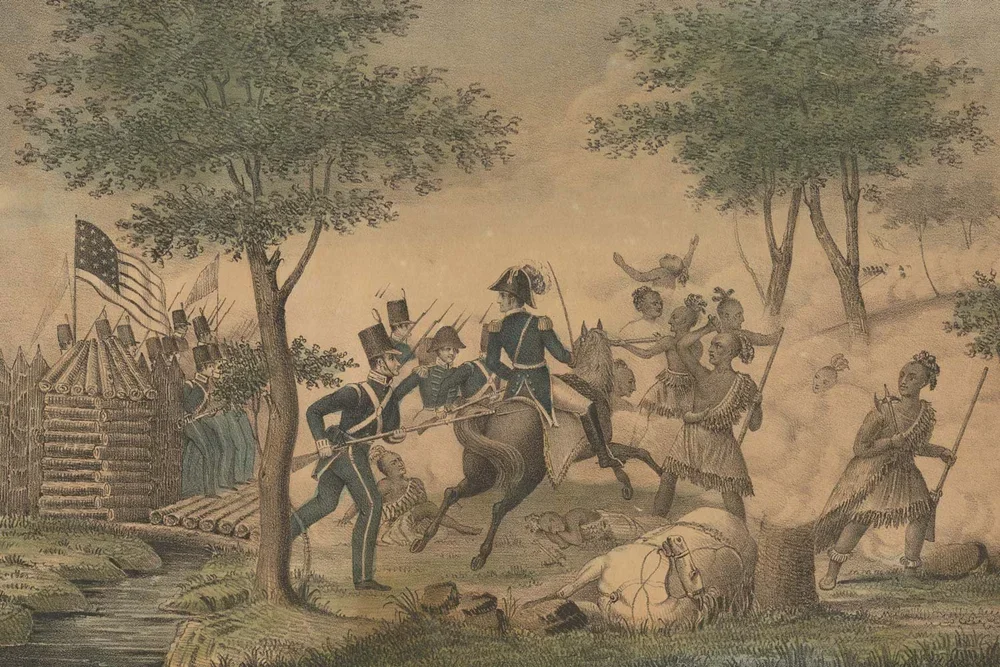
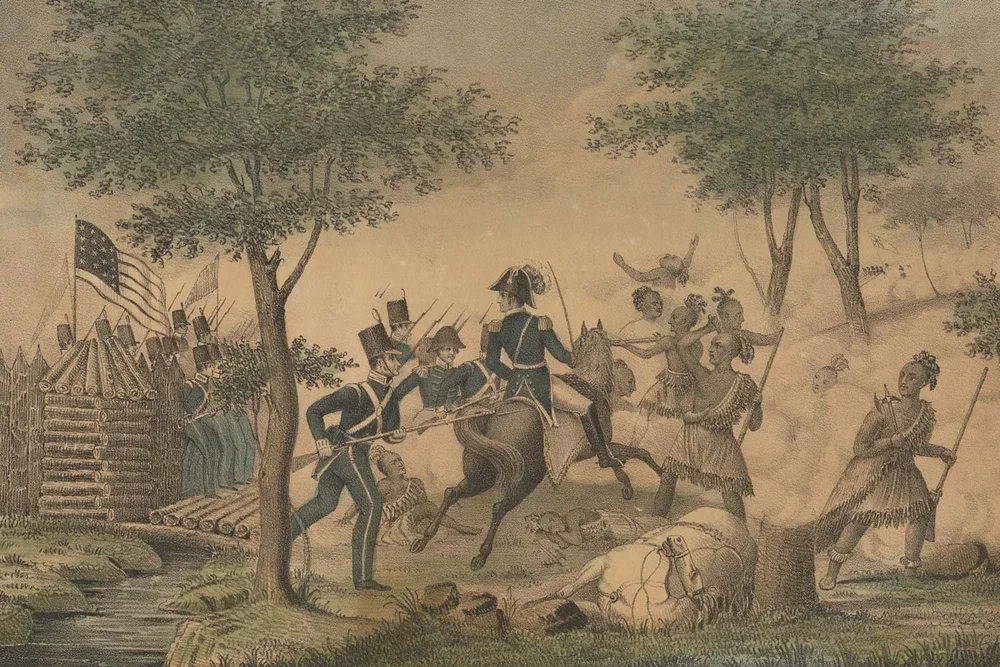
D.W. Kellogg & Co. “Siege of Fort Meigs.” Brown University Library courtesy of Wikimedia.
This talk explores the often‑overlooked western origins of the War of 1812, asking why settlers in the trans‑Appalachian frontier—particularly in Kentucky and the Northwest Territory—became some of the war’s strongest advocates. Brandon C. Downing argues that to understand western support for war, one must first understand backcountry culture: a worldview shaped by land hunger, local autonomy, and constant conflict along the Ohio Valley borderlands.
Drawing on petitions submitted during Kentucky’s formative years, Downing shows how backcountry settlers articulated clear expectations for land ownership at a time when qualifications for holding title were still unsettled. These petitions reveal a shared cultural logic—one that tied legitimate land claims to physical occupation, improvement, and defense. At the same time, frequent and violent encounters with Native nations in the Ohio Valley reinforced settlers’ belief that their struggles on the frontier justified both their claims to western lands and their support for war against Great Britain, whom they viewed as the primary supplier and ally of Indigenous resistance.
By situating western political culture within the broader context of frontier violence and territorial organization, this talk demonstrates how local experiences in the backcountry shaped national policy and helped propel the United States into the War of 1812.
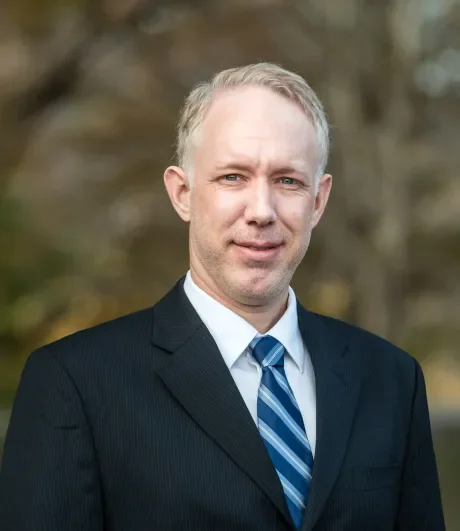
Professor Brandon Downing
About the Speaker: Brandon C. Downing is Assistant Professor of History at Marietta College, where he teaches courses in Native and Colonial America, the American Revolution, and Public History. His research focuses on Native‑White interactions in the Ohio Valley, the War of 1812, and the history of Marietta, Ohio. His current project, Performative Violence as Political Discourse: Delawares during the Seven Years’ War, 1755–1758, examines Delaware perspectives on the Penns Creek and Great Cove Massacres in Pennsylvania.