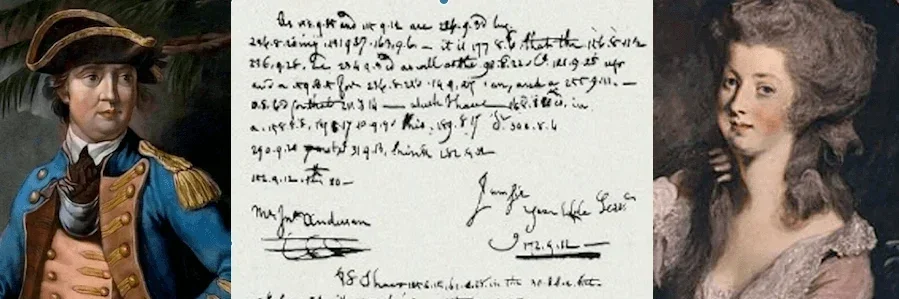
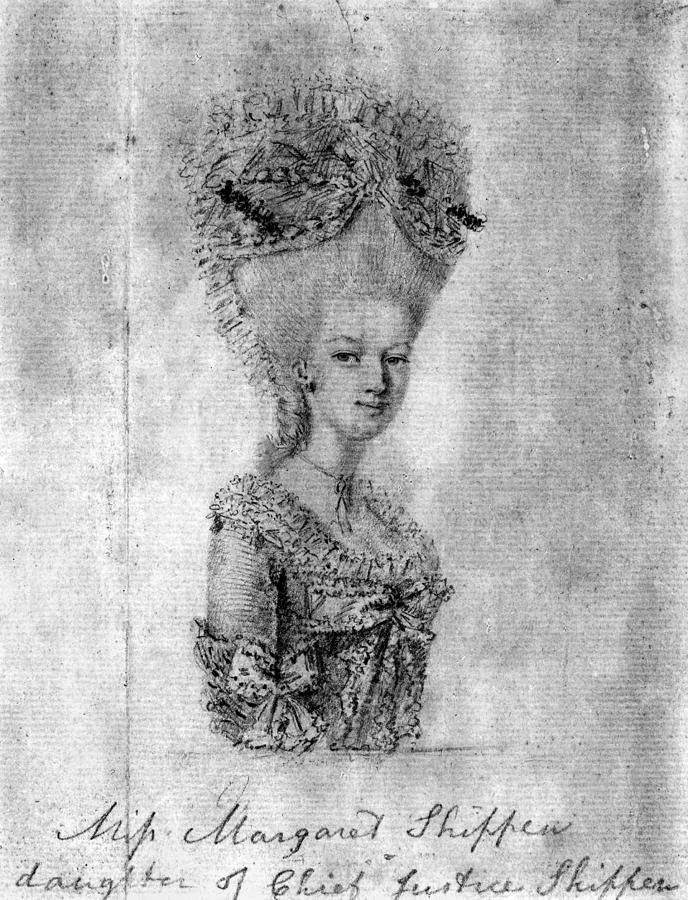
Peggy Shippen Arnold plotted with her husband Benedict to turn over West Point to the British in 1780 during the Revolutionary War. Yet, there was more to her life than this moment of treachery. The Arnolds’ treason took place within a larger debate over the nature of a republican culture. As Americans grappled with the meanings of republicanism as well as fluctuating ideas about gender, the Arnolds’ treasonous plot brought to light many questions. Could women be as political as men? How should married women be viewed–as separate entities or as extensions of their husbands? How should women serve the Patriot cause? More crucially, could a wife be a Patriot and her husband a Loyalist or vice versa? Did Loyalist wives constitute a threat? Did gender beliefs about “ladies” trump political views about enemies to the Revolution? Peggy Shippen Arnold demonstrates the distinct ways in which women of this era, both Loyalist and Patriot, participated in public culture and contributed to the important political and social discussions of the day.

Charlene M. Boyer Lewis is a professor of history and the director of the American studies program at Kalamazoo College. She specializes in women's history, southern history, and American cultural and social history in the eighteenth and nineteenth centuries. She is the author of Ladies and Gentlemen on Display: Planter Society at the Virginia Springs, 1790–1860 (2001), which focuses on the creation of southern planter identity at Virginia mountain resorts, and Elizabeth Patterson Bonaparte: An American Aristocrat in the Early Republic (2012), which examines one woman's active role in the debates over society and culture in the early republic. She recently co-edited an essay collection, Women in Goerge Washington's World (2022), which also included her essay on Peggy Arnold and George Washington at West Point. Her next project is a study of Peggy Shippen Arnold and revolutionary America.